About IIT Institute - Indian Institutes of Technology
The Indian Institutes of Technology (IITs) are among India’s most prestigious public institutions for higher education in engineering, technology, science and research. Established to promote excellence in technical education and innovation, these institutions are recognised as Institutes of National Importance under the Institutes of Technology Act, 1961.
There are 23 Indian Institutes of Technology (IITs) in India, located across different states and regions. They offer undergraduate, postgraduate and doctoral programmes in various disciplines, including engineering, computer science, technology, mathematics, physical sciences and research.
IITs are known for their experienced faculty, advanced laboratories, research facilities, industry exposure and strong academic environment. Their graduates contribute to engineering, scientific research, entrepreneurship, technology and several other professional fields in India and abroad.
Admission to undergraduate engineering programmes at IITs is highly competitive. Students must qualify for JEE Main, meet the eligibility criteria for JEE Advanced, qualify in JEE Advanced and participate in the Joint Seat Allocation Authority (JoSAA) counselling process.
For students aspiring to study at an IIT, understanding the admission process and starting JEE preparation with strong fundamentals can make an important difference.

IITs at a Glance
| Particulars | Details |
|---|---|
| Full Form | Indian Institutes of Technology |
| Total IITs in India | 23 |
| First IIT | IIT Kharagpur |
| First IIT Started | 1950 |
| Entrance Examination | JEE Main and JEE Advanced |
| Counselling Authority | JoSAA |
| Undergraduate Programmes | B.Tech, BS and Dual Degree |
| Postgraduate Programmes | M.Tech, M.Sc, M.Des and MBA |
| Doctoral Programmes | Ph.D. |
| Medium of Instruction | Primarily English |
List of 23 IIT Colleges in India with Location and Establishment Year
India has 23 IIT colleges offering higher education in engineering, technology and scientific research. Some IITs were established directly as technical institutes, while others have a much longer institutional history and later received IIT status.
The following table lists all 23 IITs in the order in which they became Indian Institutes of Technology.
| No. | IIT Institute | Abbreviation | Established / IIT Since | Location |
|---|---|---|---|---|
| 1 | IIT Kharagpur | IITKGP | 1951 | Kharagpur, West Bengal |
| 2 | IIT Bombay | IITB | 1958 | Mumbai, Maharashtra |
| 3 | IIT Madras | IITM | 1959 | Chennai, Tamil Nadu |
| 4 | IIT Kanpur | IITK | 1959 | Kanpur, Uttar Pradesh |
| 5 | IIT Delhi | IITD | 1961 | New Delhi, Delhi |
| 6 | IIT Guwahati | IITG | 1994 | Guwahati, Assam |
| 7 | IIT Roorkee | IITR | 1847 (IIT since 2001) | Roorkee, Uttarakhand |
| 8 | IIT Ropar | IITRPR | 2008 | Rupnagar, Punjab |
| 9 | IIT Bhubaneswar | IITBBS | 2008 | Bhubaneswar, Odisha |
| 10 | IIT Gandhinagar | IITGN | 2008 | Gandhinagar, Gujarat |
| 11 | IIT Hyderabad | IITH | 2008 | Hyderabad, Telangana |
| 12 | IIT Jodhpur | IITJ | 2008 | Jodhpur, Rajasthan |
| 13 | IIT Patna | IITP | 2008 | Patna, Bihar |
| 14 | IIT Indore | IITI | 2009 | Indore, Madhya Pradesh |
| 15 | IIT Mandi | IIT Mandi | 2009 | Mandi, Himachal Pradesh |
| 16 | IIT (BHU) Varanasi | IIT (BHU) | 1919 (IIT since 2012) | Varanasi, Uttar Pradesh |
| 17 | IIT Palakkad | IITPKD | 2015 | Palakkad, Kerala |
| 18 | IIT Tirupati | IITTP | 2015 | Tirupati, Andhra Pradesh |
| 19 | IIT (ISM) Dhanbad | IIT (ISM) | 1926 (IIT since 2016) | Dhanbad, Jharkhand |
| 20 | IIT Bhilai | IITBH | 2016 | Bhilai, Chhattisgarh |
| 21 | IIT Goa | IITGOA | 2016 | Farmagudi, Goa |
| 22 | IIT Jammu | IITJMU | 2016 | Jammu, Jammu and Kashmir |
| 23 | IIT Dharwad | IITDH | 2016 | Dharwad, Karnataka |
Note: For IIT Roorkee, IIT (BHU) Varanasi and IIT (ISM) Dhanbad, the year shown first represents the beginning of the original institution, while the second year indicates when it became an IIT.
Students interested in pursuing engineering at one of these prestigious institutes can begin their preparation through a structured JEE foundation programme.
Know the IITs: History and Important Institutes
The Indian Institutes of Technology have developed over several decades. From the establishment of IIT Kharagpur in the early 1950s to the newer IITs established across India, these institutions have played an important role in the development of technical education.
First-Generation IITs in India
The first-generation IITs laid the foundation for India’s modern technical education system. They are recognised for their academic heritage, research contributions and engineering programmes.

IIT Kharagpur
IIT Kharagpur was the first Indian Institute of Technology. It started functioning in May 1950 at the site of the former Hijli Detention Camp in West Bengal and was formally inaugurated on 18 August 1951 by Maulana Abul Kalam Azad.
Its campus covers approximately 2,100 acres and is recognised for its extensive academic infrastructure, engineering programmes and research facilities. (http://www.iitkgp.ac.in/)
IIT Bombay
Established in 1958, IIT Bombay is located in Powai, Mumbai, Maharashtra. It is known for its academic programmes, research activities, entrepreneurship ecosystem and strong industry connections. Its green campus provides a comprehensive learning environment for students.(http://www.iitb.ac.in/)


IIT Kanpur
IIT Kanpur was established in 1959 in Uttar Pradesh. The institute is recognised for its research-oriented academic environment, flexible curriculum and contributions to technological innovation. (http://www.iitk.ac.in/)
IIT Madras
Established in 1959, IIT Madras is situated in Chennai, Tamil Nadu. It is one of India’s leading technical and research institutions, known for engineering education, scientific research and innovation. (http://www.iitm.ac.in/)


IIT Delhi
IIT Delhi was established in 1961, initially as the College of Engineering and Technology. It later became the Indian Institute of Technology Delhi. The institute is known for its engineering, science, research and interdisciplinary programmes.(http://www.iitd.ac.in/)
IIT Guwahati
Established in 1994, IIT Guwahati began its academic programmes in 1995. Its campus is situated on the northern bank of the Brahmaputra River in Assam and offers a range of engineering, science and research programmes. (http://www.iitg.ac.in/)


IIT Roorkee
IIT Roorkee traces its history to 1847, when it was established as the Thomason College of Civil Engineering. It became the University of Roorkee in 1949 and was officially recognised as an IIT in 2001. It is one of India’s oldest technical education institutions.(http://www.iitr.ac.in/)
IIT BHU
Indian Institute of Technology (BHU) Varanasi traces its history to 1919, when it was established as Banaras Engineering College (BENCO). It received IIT status in 2012 and is located within the Banaras Hindu University campus in Uttar Pradesh. The institute is known for its strong academic heritage, engineering programmes, scientific research and contributions to technical education. (http://www.iitbhu.ac.in/)


IIT Dhanbad
IIT (ISM) Dhanbad began as the Indian School of Mines, formally inaugurated on 9 December 1926. It became a deemed university in 1967 and received IIT status in 2016. It is particularly recognised for its contributions to mining, earth sciences, engineering and related research fields. (https://www.iitism.ac.in/)
IIT Hyderabad
Established in 2008, IIT Hyderabad is located in Sangareddy, Telangana. The institute is recognised for its strong focus on research, innovation and entrepreneurship. It offers undergraduate programmes in engineering, applied sciences, design and interdisciplinary areas, providing students with opportunities to explore emerging technologies and research. (https://www.iith.ac.in/)


IIT Indore
Indian Institute of Technology Indore was established in 2009 in Madhya Pradesh. The institute is recognised for its academic programmes, advanced research facilities and interdisciplinary approach to education. It offers programmes in engineering, science and technology, encouraging innovation, research and practical learning.(http://www.iiti.ac.in/)
IIT Bhubaneswar
Established in 2008, IIT Bhubaneswar is located in Odisha. The institute focuses on quality technical education, interdisciplinary research and innovation. It offers academic programmes in engineering and science and encourages students to explore research, entrepreneurship and industry-oriented learning.(http://www.iitbbs.ac.in/)


IIT Ropar
Indian Institute of Technology Ropar was established in 2008 in Rupnagar, Punjab. The institute is recognised for its engineering education, scientific research and innovation. It offers undergraduate, postgraduate and doctoral programmes across engineering, science and humanities disciplines, with a focus on interdisciplinary research and technological development.(http://www.iitrpr.ac.in/)
IIT Patna
IIT Patna was established in 2008 under an Act of the Indian Parliament. Located at Bihta, near Patna in Bihar, the institute offers undergraduate, postgraduate and doctoral programmes in engineering, science and humanities. It emphasises quality education, advanced research, technological innovation and industry collaboration.(https://www.iitp.ac.in/)


IIT Gandhinagar
Indian Institute of Technology Gandhinagar was established in 2008 in Gujarat. It is known for its student-focused academic environment, interdisciplinary education and research activities. The institute encourages creative thinking, innovation and practical learning through its academic programmes and research initiatives.(https://www.iitgn.ac.in/)
IIT Mandi
Established in 2009, IIT Mandi is located in Kamand, Himachal Pradesh. The institute is known for its research-oriented academic environment and focus on science, engineering and emerging technologies. Its programmes cover disciplines such as Computer Science, Electrical Engineering, Mechanical Engineering, Data Science and Artificial Intelligence.(http://www.iitmandi.ac.in/)

IIT Jodhpur
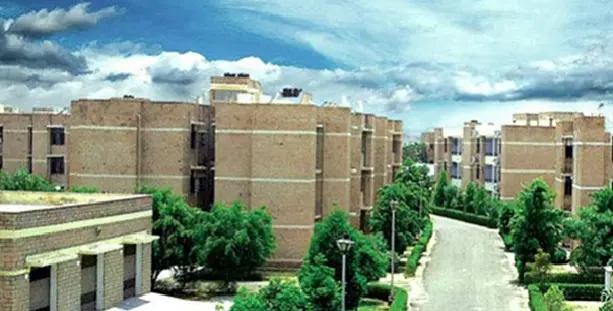
Indian Institute of Technology Jodhpur was established in 2008 in Rajasthan. The institute focuses on technology education, multidisciplinary research and industry-oriented learning. Its permanent campus is spread across approximately 852 acres, providing facilities for academic programmes, research and technological development.(http://www.iitj.ac.in/)
IIT Palakkad
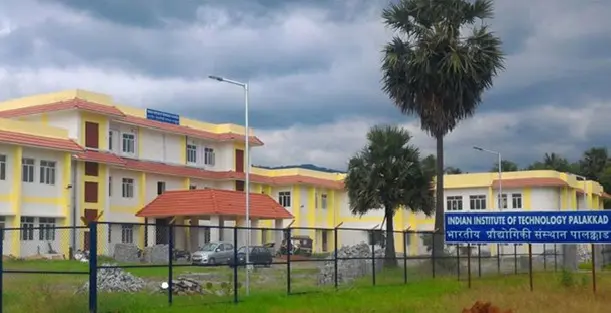
Established in 2015, IIT Palakkad is located in Kerala. The institute offers academic programmes in engineering, science and technology, with an emphasis on research and innovation. It provides opportunities for students to explore areas such as Computer Science, Electrical Engineering, Mechanical Engineering, Mathematics and Data Science.(https://iitpkd.ac.in/)
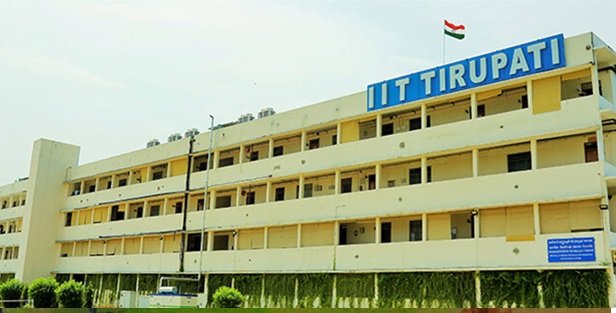
IIT Tirupati
Indian Institute of Technology Tirupati was established in 2015 in Andhra Pradesh. The institute offers undergraduate, postgraduate and doctoral programmes in engineering and science. It focuses on quality technical education, research, innovation and interdisciplinary learning, providing students with opportunities to develop their academic and professional skills.(https://iittp.ac.in/)
IIT Bhilai
Indian Institute of Technology Bhilai was established in 2016 in Chhattisgarh. The institute focuses on modern engineering education, interdisciplinary research and technological innovation. Its academic programmes cover areas such as Computer Science, Data Science and Artificial Intelligence, Electrical Engineering, Mechanical Engineering and Materials Science.(https://www.iitbhilai.ac.in/)


IIT Jammu
Established in 2016, IIT Jammu is located in Jammu and Kashmir. The institute aims to promote excellence in engineering, science and technology through quality education and research. It offers academic programmes in several engineering disciplines, including Computer Science, Electrical, Mechanical, Civil and Chemical Engineering.(https://www.iitjammu.ac.in/)
IIT Dharwad
Indian Institute of Technology Dharwad was established in 2016 in Karnataka. The institute focuses on engineering education, scientific research and technological development. It offers programmes in disciplines such as Computer Science, Electrical Engineering, Mechanical Engineering, Civil Engineering and Engineering Physics, along with opportunities for interdisciplinary research.(http://www.iitdh.ac.in/)

IIT Rankings in India
IIT rankings can help students understand the relative performance of engineering institutions. The National Institutional Ranking Framework (NIRF), introduced by the Ministry of Education, Government of India, evaluates institutions using parameters such as teaching, learning, research, graduation outcomes, outreach and perception.
According to the NIRF India Rankings 2025 – Engineering category, some of the highest-ranked IITs are:
| IIT Institute | NIRF Engineering Rank 2025 |
|---|---|
| IIT Madras | 1 |
| IIT Delhi | 2 |
| IIT Bombay | 3 |
| IIT Kanpur | 4 |
| IIT Kharagpur | 5 |
| IIT Roorkee | 6 |
| IIT Hyderabad | 7 |
| IIT Guwahati | 8 |
| IIT (BHU) Varanasi | 10 |
| IIT Indore | 12 |
Rankings may change every year. Students should consider branch preference, course curriculum, placement information, research opportunities and personal career goals instead of selecting an institute based only on its ranking.
IIT Admission Process
Getting admission to an Indian Institute of Technology requires students to qualify through the Joint Entrance Examination (JEE) system and meet the applicable admission requirements.
The general admission pathway for undergraduate engineering programmes is as follows:
Step 1: Appear for JEE Main
JEE Main is conducted by the National Testing Agency (NTA). Students seeking admission to IIT undergraduate programmes must first qualify for the JEE Advanced eligibility requirements through JEE Main.
Step 2: Qualify for JEE Advanced
Students who meet the prescribed JEE Advanced eligibility criteria can register for the examination. JEE Advanced tests conceptual understanding, analytical thinking and problem-solving abilities in Physics, Chemistry and Mathematics.
Step 3: Appear for JEE Advanced
JEE Advanced is the entrance examination used for admission to IIT undergraduate programmes. Students should prepare thoroughly across all three subjects and practise different types of examination-level questions.
Step 4: Participate in JoSAA Counselling
Candidates who qualify for admission consideration can participate in the Joint Seat Allocation Authority (JoSAA) counselling process, subject to applicable requirements.
During counselling, students select their preferred institutes and engineering branches. Seat allocation depends on factors such as JEE Advanced rank, category, preferences, seat availability and applicable counselling rules.
Step 5: Complete Admission Formalities
After receiving a seat allotment, candidates must complete the prescribed document verification, fee payment and other admission formalities within the given deadlines.
Important: Eligibility requirements, examination rules and counselling procedures may change. Always refer to the latest official JEE Advanced information brochure and JoSAA announcements.
JEE Main vs JEE Advanced
JEE Main and JEE Advanced are the two major examinations in the IIT admission process. JEE Main is conducted by NTA, while JEE Advanced is conducted by an IIT on a rotational basis. Students must qualify for JEE Advanced through JEE Main to become eligible for IIT admission.
Courses Offered by IITs
Indian Institutes of Technology offer undergraduate, postgraduate and doctoral programmes in various disciplines.
Undergraduate: B.Tech, BS and Dual Degree.
Postgraduate: M.Tech, M.Sc, M.Des and MBA.
Doctoral: Ph.D. and research programmes.
Popular engineering branches include Computer Science, Mechanical, Electrical, Civil, Chemical and Aerospace Engineering.
How to Prepare for IIT JEE?
Preparing for IIT JEE requires strong fundamentals, consistent practice and proper guidance. Students should focus on:
Building concepts in Physics, Chemistry and Mathematics.
Following a structured study timetable.
Practising previous-year questions.
Taking regular mock tests.
Revising important topics consistently.
Analysing performance and improving weak areas.
Prepare for IIT JEE with L-1 Coaching, Varanasi
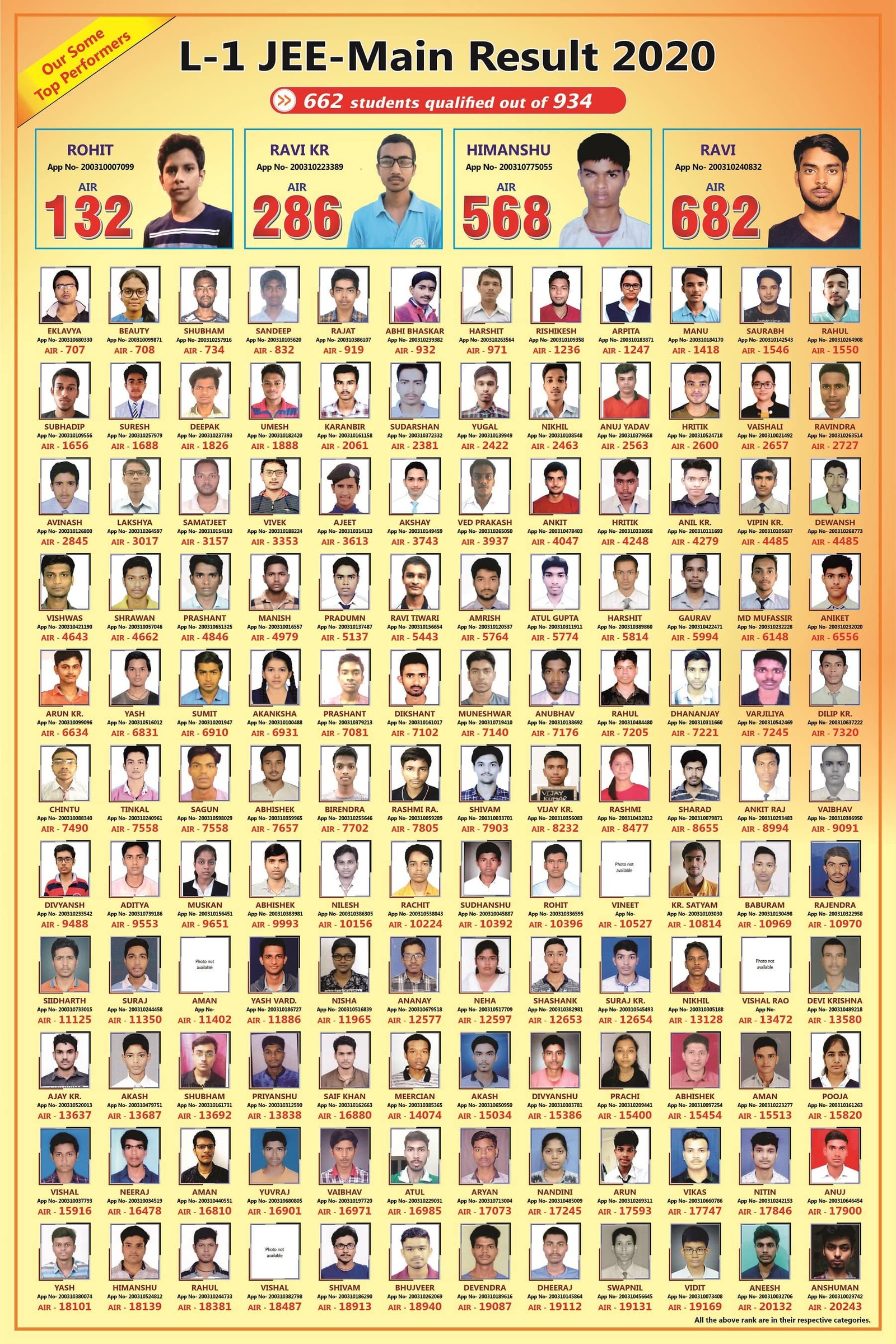
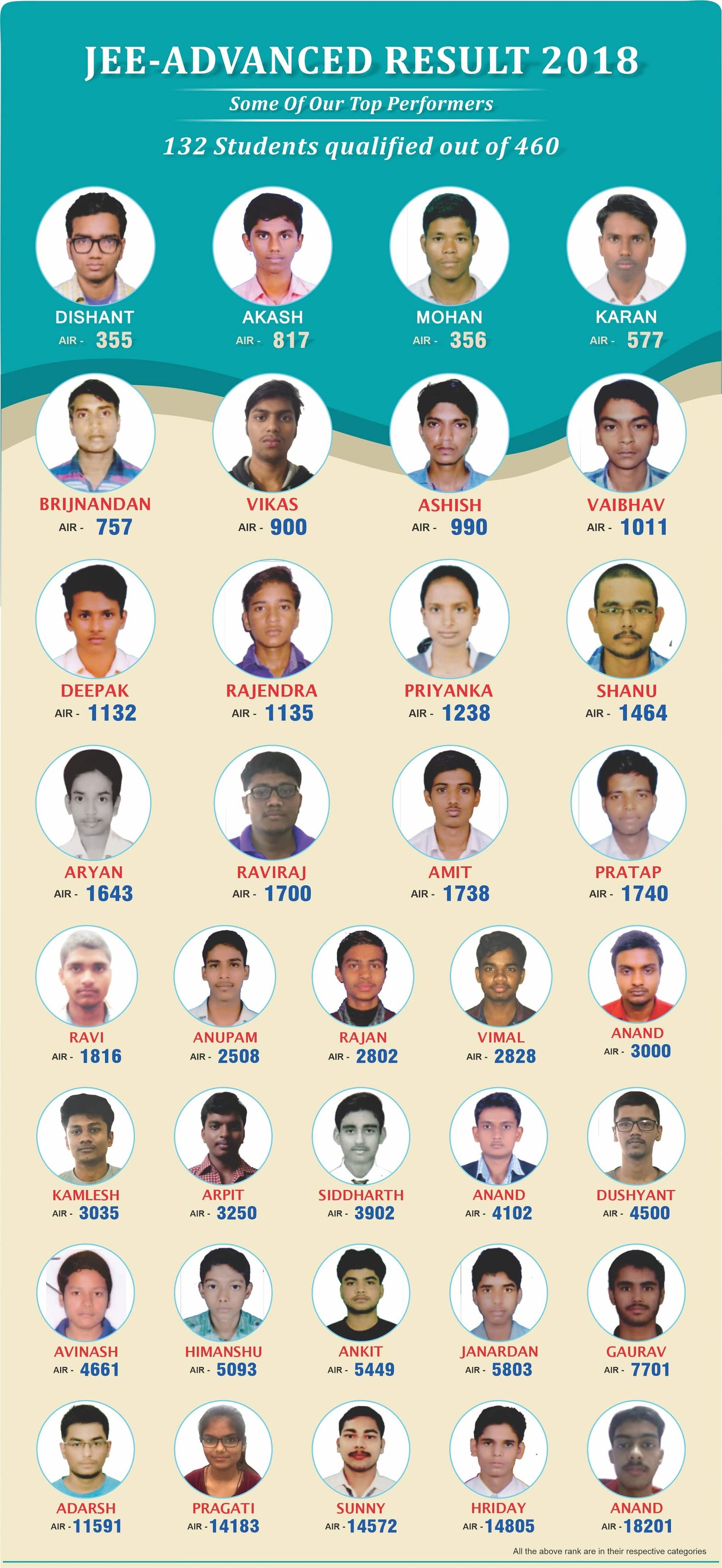
L-1 Coaching has been guiding IIT-JEE and NEET aspirants since 2005. Founded by IIT-BHU alumni and an IMS-BHU medical expert, the institute focuses on conceptual learning, regular practice and personalised academic guidance.
Our Preparation Programmes:
Pre-Foundation Course (Classes 8–10)
JEE Foundation Course (Classes 11–12)
Target Course for IIT-JEE
JEE Test Series
Scholarship Test and Super-40 Programme
Start Your IIT JEE Preparation Today!
Get expert guidance and take the next step towards your engineering dream with L-1 Coaching, Durgakund, Varanasi.